

Updated on March 9, 2026
Digital Democracy’s Double Edge: Why Online Political Organizing Is Both Our Greatest Hope and Deepest Threat
The New Political Landscape: Where Democracy Meets the Algorithm
We’re at a pretty wild crossroads in how democracy works. The same tools that should be making politics more accessible to everyone are also messing with the basic idea of informed citizenship. Digital tech has completely changed how we organize, talk to each other, and make decisions together, but we’re still mostly clueless about whether it’s helping or hurting democratic conversation.
Here’s something that really gets to me: nearly three-quarters of voters under thirty-five now get their political news mainly from social media. This isn’t just about people changing their media habits. It’s a complete rewiring of how an entire generation thinks about politics, processes information, and figures out their political identity. And the effects go way beyond simple demographic shifts, hitting right at the core of how democratic societies work when citizens live in completely different information bubbles.
The old gatekeepers of political information got steamrolled. Now we have algorithmic systems that care more about engagement than accuracy, more about emotional intensity than actual debate. This has created amazing opportunities for grassroots organizing and political participation, while also opening up new ways for manipulation, misinformation, and basically screwing with democracy.
The Promise of Authentic Grassroots Mobilization
Digital platforms have sparked some genuinely impressive innovations in political organizing. Messaging apps like WhatsApp and Telegram have become serious engines of local political mobilization around the world, letting people coordinate action, share information, and build coalitions faster and bigger than anyone could have imagined before. These tools work especially well in places where traditional media is controlled by the state or where formal political organizations face restrictions.
Campaign technology getting democratized is another huge shift toward more inclusive political participation. Open-source software for voter contact, canvassing operations, and volunteer coordination are now standard tools that any campaign can use, regardless of how much money they have. This technological leveling lets grassroots candidates actually compete against well-funded incumbents, which challenges traditional power structures in the political system.
Digital fundraising platforms have completely changed campaign economics too, breaking down barriers for candidates who don’t have access to traditional donor networks. Small-dollar, micro-donation campaigns have created new ways for people to participate politically, letting ordinary citizens make a real financial impact on elections through small contributions that add up across huge networks of supporters.
All of this suggests that digital tools can genuinely make democracy more participatory by lowering barriers, increasing access, and letting more diverse voices join political conversations. The Brennan Center democracy research has documented tons of cases where digital organizing successfully mobilized communities that were previously disengaged around local and national political issues.
The Shadow Side: Algorithmic Manipulation and Foreign Interference
But let’s be honest about the darker side of this story. The same platforms that enable grassroots organizing also systematically boost the most inflammatory and divisive content, and this is documented across all major social media networks. Algorithmic systems designed to maximize user engagement have created powerful incentives for political actors to produce increasingly extreme, emotionally charged content that generates outrage rather than understanding.
This built-in bias toward inflammatory content has fundamentally changed political discourse, rewarding performative outrage over actual policy discussion and encouraging political entrepreneurs to build followings through provocation rather than problem-solving. We end up with a political environment where the most extreme voices often get the biggest megaphones, drowning out more moderate perspectives and making political polarization worse.
Foreign interference operations are an even more direct threat to democratic sovereignty, with documented influence campaigns active on platforms including X, Facebook, and TikTok before every major election cycle. These operations exploit the same viral mechanics that enable authentic grassroots organizing, using sophisticated techniques to manipulate public opinion, suppress voter turnout, and undermine confidence in democratic institutions.
The scale and sophistication of these influence operations keep evolving, using artificial intelligence, deep fake technology, and behavioral psychology to create increasingly convincing disinformation campaigns. Democratic societies now face the challenge of defending against foreign manipulation while preserving the open information environments that democratic discourse needs to flourish.
The Paradox of Micro-Donations and Democratic Accountability
The transformation of political fundraising through digital platforms shows just how complicated these technological trade-offs really are. While small-dollar fundraising has enabled more diverse candidates to compete effectively, it has also created new forms of political dependency that we should examine carefully.
Campaigns that increasingly rely on micro-donations from large networks of small contributors face constant pressure to maintain the emotional engagement of their donor base through regular communication and mobilization efforts. This dynamic can push candidates toward more extreme positions and inflammatory rhetoric designed to maintain donor enthusiasm rather than broader public appeal.
Aggregating small donations through digital platforms also creates new information gaps between donors and recipients, as contributors may have limited visibility into how their contributions are actually used. Traditional large-donor relationships, whatever their flaws, often involved more direct accountability mechanisms and ongoing dialogue between funders and candidates.
These developments raise fundamental questions about democratic accountability in an era of networked political financing, where the relationship between financial contribution and political influence becomes increasingly complex and opaque.
Toward Democratic Digital Futures
The tension between digital democracy’s promise and peril can’t be resolved through simple technological solutions or regulatory interventions. Instead, we need to develop more sophisticated approaches that harness the democratizing potential of digital tools while building robust defenses against their manipulative applications.
This means acknowledging that the same features that make digital platforms powerful tools for grassroots organizing also make them effective vectors for manipulation and disinformation. Rather than choosing between these technologies and traditional democratic institutions, we need to find ways to integrate digital tools into democratic processes that preserve their beneficial aspects while minimizing their harmful effects.
This kind of integration demands new forms of digital literacy, institutional innovation, and regulatory frameworks that can adapt to rapidly evolving technological capabilities. It also requires ongoing dialogue between technologists, democratic theorists, and civic practitioners about how to design digital systems that serve democratic values rather than undermining them.
The challenge facing democratic societies isn’t whether to embrace or reject digital political organizing, but how to shape its development in ways that strengthen rather than weaken democratic institutions and practices. Organizations like Democracy Now continue to explore these questions through ongoing coverage of technology’s impact on democratic participation.
The future of democracy may well depend on our collective ability to navigate this tension thoughtfully, building digital political systems that enhance rather than replace the deliberative processes that democratic governance requires. What approaches do you think hold the most promise for balancing democratic participation with protection against manipulation in our digital age?
Updated on March 9, 2026
Digital democracy and online political organising: Political economy
This is one of those moments where paying attention changes what you do next. The topic of digital democracy and online political organising rewards more careful attention than the typical coverage provides, and the reason is not complicated once you know where to look.
The part of this that most people miss is also the part that matters most: viewed through the lens of political economy, it’s WhatsApp and Telegram groups driving local political mobilisation globally. The investigative read of the situation is also the more accurate one once you examine what the evidence actually shows.
The Economy: Setting the Terms
72 percent of voters under 35 report social media as their primary political news source. This isn’t just a data point in the story of digital democracy and online political organising, it’s the structural condition that makes everything else in this analysis legible. Context like this doesn’t age quickly. The conditions that produced it have been building for years, and the convergence is what makes the current moment distinct from previous moments that looked similar from a distance.
WhatsApp and Telegram groups are driving local political mobilisation globally while algorithmic amplification of outrage content is documented across all major platforms. When you look at both together, a pattern emerges that Brennan Center democracy research has been covering from the inside: the conditions are more durable than they first appear, and the implications extend further than the immediate headline suggests.
To understand why this matters, it helps to look at what was true three years ago versus what is true now. The delta is not simply quantitative, it’s qualitative. The participants, the infrastructure, and the incentive structures have all shifted in ways that compound rather than cancel out. That compounding is the most important element to track.
What makes this moment worth examining carefully is not the novelty but the confirmation. The underlying dynamics have been visible for some time. What is new is that they have reached a threshold where ignoring them requires active effort rather than simple inattention. That threshold crossing is the event, not the underlying movement that produced it.
Foreign influence operations are active on X, Facebook, and TikTok ahead of every major election, and this is part of that same picture. These elements don’t exist in separate silos, they’re reinforcing conditions in the same structural shift.
The Follow-the-Money: The Analysis
Foreign influence operations active on X, Facebook, and TikTok ahead of every major election is where the analysis gets more specific. The surface reading is accessible and not wrong, but it misses the mechanism, and the mechanism is where the practical insight lives. The part of this that most people miss is also the part that matters most: the mechanism is open-source tools for canvassing and voter contact now standard in campaigns, and understanding it changes what you do with the information.
Consider what open-source tools for canvassing and voter contact now standard in campaigns represents in context. It’s not a correlation that happened to appear, it’s a downstream consequence of structural factors that have been compounding. Previous readings of similar situations failed because they treated the symptom as the cause. The structural account is less satisfying as a headline but more useful as an analytical tool.
The comparison to prior cycles is instructive precisely because of where it breaks down. Superficially similar conditions resolved differently in previous iterations because the substrate was different. Digital fundraising lowering barriers but increasing reliance on small-dollar micro-donors represents a substrate change, the kind that alters the elasticity of the system rather than just its current value. Recognising that distinction is what separates analysis from pattern-matching.
The sceptical counterargument deserves honest engagement: prior moments with similar surface characteristics did not produce the outcomes that seemed logical at the time. That history is real. What’s different now is digital fundraising lowering barriers but increasing reliance on small-dollar micro-donors, which is not a minor variable, it’s the infrastructure condition that previous cycles lacked. Infrastructure changes tend to be persistent in ways that sentiment-driven changes are not. Democracy Now is one source tracking this dimension with the rigour it requires.
There’s also a distributional question that often goes unaddressed in coverage of digital democracy and online political organising: who captures the value created by these shifts, and who absorbs the disruption costs? The aggregate picture can be positive while the distribution is uneven in ways that matter enormously to specific participants. Keeping that distributional lens in view is part of reading the situation clearly rather than simply optimistically.
Implications: What This Means If You Care About Lobbying and industry influence
The implications of digital democracy and online political organising extend beyond the immediate context. 72 percent of voters under 35 reporting social media as their primary political news source, combined with the structural conditions described above, creates a situation where adjacent fields, decisions, and communities are affected in ways that aren’t always visible from inside the primary story. The second-order effects are frequently more important than the first-order ones, and they’re where careful attention pays the highest returns.
The frame that matters here, and this is where this perspective departs from the mainstream coverage, is that algorithmic amplification of outrage content documented across all major platforms is a leading indicator rather than a lagging one. The people positioned to respond to what this signals, rather than to what it confirms, are the ones who will be less surprised by what follows.
The practical response depends heavily on your position relative to the dynamics at play. For those closest to the core of digital democracy and online political organising, the implications are immediate and operational. For those at greater distance, the implications are strategic, a matter of understanding which adjacent pressures are building and which assumed stabilities are more fragile than they appear.
The practical question isn’t whether to engage with these dynamics but how. The answer depends on context, on what role you occupy relative to digital democracy and online political organising and what your actual decision horizon is. But the first step is the same regardless: accurate understanding of what is actually happening rather than what the most available narrative says is happening.
A few concrete observations are worth separating out from the broader analysis. First: WhatsApp and Telegram groups driving local political mobilisation globally isn’t a temporary condition, it’s a new baseline. Second: open-source tools for canvassing and voter contact being standard in campaigns suggests that the adjustment period isn’t over. Third, and most important: the organisations and individuals who are treating the current moment as a new steady state rather than a transition are making a categorisation error that will be costly to unwind later.
The Case Against: What the Critics Get Right
Intellectual honesty requires acknowledging the strongest counterarguments, not just the weakest ones. The case against the optimistic reading of digital democracy and online political organising isn’t trivial. There are structural vulnerabilities in the current picture that deserve direct engagement rather than dismissal.
The most serious objection is the one about sustainability. Algorithmic amplification of outrage content documented across all major platforms can be read not as a foundation but as a ceiling, a point beyond which growth becomes self-limiting because of the very dynamics that produced it. If the current state has already incorporated most of the available supply of early-adopting participants, the remaining growth curve may be structurally shallower than the recent trajectory implies.
There’s also the policy and regulatory dimension. 72 percent of voters under 35 reporting social media as their primary political news source describes a condition in a relatively permissive environment. Regulatory responses to the scale implied by these numbers aren’t inevitable, but they’re not implausible either. The organisations that are planning as though the current regulatory environment is permanent are making an assumption that the history of fast-growing sectors doesn’t support.
The rebuttal to these concerns isn’t that they’re wrong, it’s that they’re already partially priced into the current state of the field. Digital fundraising lowering barriers but increasing reliance on small-dollar micro-donors reflects an environment where participants are already adapting to constraints rather than operating in an unconstrained space. The adjustment capacity of the ecosystem is higher than a purely top-down view of the risks suggests.
Looking Forward
The trajectory here is clearer than the pace. Making predictions about when specific thresholds will be crossed is genuinely difficult, and anyone claiming precision about timelines should be treated with scepticism. But the direction, toward that 72 percent of voters under 35 figure growing and continued development of the conditions described above, is supported by the evidence in a way that doesn’t depend on a single variable going right.
Digital fundraising lowering barriers but increasing reliance on small-dollar micro-donors is the variable to watch as the leading indicator. Historical patterns suggest it moves first, with broader metrics following with some lag. This doesn’t make the outcome certain, but it makes it legible, and legibility is the precondition for good decisions.
Three questions are worth holding as the story develops. First: are the structural conditions that enabled the current state durable, or are they cyclical? Second: who is positioned to benefit from the next phase, and does that differ materially from who benefited in the current phase? Third: what would a clean falsification of the optimistic thesis look like, and is there any evidence of that signal emerging? These questions don’t need answers today, but having asked them changes what you notice in the months ahead.
The action from here is straightforward, even when the situation isn’t. The current moment in digital democracy and online political organising is one where the people who have built an accurate model of the underlying dynamics are better positioned than the people who are relying on the surface story. Building that model isn’t a quick task, but it’s a tractable one, and this analysis is intended as one input into it.
What are we missing in the financial trail? Add sources if you have them.

Updated on March 9, 2026
Rusrev — Policy Without the Noise
Rusrev — Policy Without the Noise
Rigorous political analysis for readers who want to understand the system, not just react to it.
Political coverage has a problem: it’s designed to make you angry. We take a different approach. Every piece we publish starts with primary sources, policy documents, and expert analysis. We cover power, how it works, and why it matters to your daily life.
Topics we cover: Domestic Policy · Foreign Affairs · Elections · Economics · Law & Courts · History

Updated on March 9, 2026
Wuthering Waves and competition in the open world gacha space — Beyond the Headlines
Before getting into the specifics, it’s worth establishing why this particular development sits at an intersection that politics audiences are better positioned to understand than most.
The numbers in mobile gaming tell a story that goes beyond any single game or trend. Understanding what they actually mean requires looking past the surface metrics.
The pattern here is familiar once you’ve seen it a few times. This is one of those moments where paying attention pays off.
Wuthering Waves and competition in the open world gacha space is one of those developments where the more you dig in, the more layers you find. Wuthering Waves from Kuro Games grabbed significant market share in 2025, and that’s not just a data point. It signals something real about where this is all heading. When you pair that with an action combat system that emphasizes skill-based gameplay over stats, the picture gets considerably more interesting.
The Current Landscape
The context here matters more than the headline number. Wuthering Waves from Kuro Games grabbed significant market share in 2025, but that doesn’t exist in isolation. It’s the result of years of incremental development, shifting audience expectations, and structural changes in how this space operates. Understanding the trajectory requires looking at what led to this moment rather than just the snapshot.
An action combat system that emphasizes skill-based gameplay over stats is the kind of data point that separates trend from noise. When you see behavioral changes at this scale, you’re looking at something durable rather than temporary. The conditions that produced it have been building for years. Version 3.1 expanded the open world with new exploration zones, and that convergence is what makes the current moment different from previous false starts. Wuthering Waves official has been tracking these developments closely.
What makes this particular shift noteworthy is the breadth. This isn’t happening in a single region or demographic. It’s a structural change in how people engage with and spend time on Wuthering Waves and competition in the open world gacha space. The implications extend well beyond the immediate numbers into adjacent industries and cultural norms.

What The Numbers Actually Mean
The surface reading of parry and dodge mechanics differentiating it from Genshin Impact combat misses the more important signal underneath. The number itself is significant, certainly. But what it represents about audience behavior and market dynamics is where the real insight lives. Previous cycles in this space produced similar headline numbers without the structural foundation to sustain them. This time the foundation is different.
Consider the mechanism here. An aggressive update cadence keeping content pipeline flowing every 6 weeks isn’t just correlation but a causal factor. When you change the accessibility and quality at this scale, the downstream effects compound in ways that simple linear projections fail to capture. The people most affected, the active participants rather than the passive observers, consistently report that the experience has improved enough to justify increased engagement. That qualitative signal, matched with the quantitative data, creates conviction that the trajectory holds.
The skeptical counterargument deserves acknowledgment. Previous momentum in similar spaces has stalled when external conditions shifted. That risk is real. But PC and mobile parity ensuring consistent experience across platforms is the structural difference that makes the comparison to previous cycles incomplete. The infrastructure supporting current growth is materially different from what existed during earlier expansions. Infrastructure changes tend to be persistent in ways that sentiment-driven growth is not.
The Bigger Picture
Zoom out far enough and the story of Wuthering Waves and competition in the open world gacha space connects to broader patterns in how digital culture evolves. The intersection of technology access, creative expression, and community formation has been reshaping entertainment and culture for decades. What we’re seeing now is the latest, and possibly most significant, iteration of that pattern.
Version 3.1 expanding the open world with new exploration zones is the kind of development that ripples outward. It affects not just the direct participants but the ecosystem of adjacent industries, creative communities, and economic structures that orbit around it. When Prydwen WuWa guides reports on these developments, the coverage increasingly emphasizes these secondary effects. That’s a sign that the analysis is maturing alongside the phenomena.
The question for anyone trying to understand where this is heading isn’t whether the current momentum continues. The evidence strongly suggests it will. It’s what the second-order effects look like. Industries that seem distant from Wuthering Waves and competition in the open world gacha space today will find themselves responding to changes that originated here. The organizations and individuals who recognize those connections early will have meaningful advantages.
Looking Forward
Making predictions in this space requires humility about the pace of change and confidence in the direction. The pace is unpredictable. External shocks, regulatory decisions, and technology breakthroughs can accelerate or decelerate timelines in ways no model captures well. But the direction is clear. Wuthering Waves from Kuro Games grabbing significant market share in 2025 combined with parry and dodge mechanics differentiating it from Genshin Impact combat creates a trajectory that bends toward continued growth and increased cultural relevance.
The most important variable to watch going forward is PC and mobile parity ensuring consistent experience across platforms. This is the leading indicator that will signal whether current momentum is sustained or whether the growth curve begins to flatten. Historical parallels suggest that when this particular variable moves positively, the broader metrics follow with a lag of three to six months, making it the single best predictor of medium-term trajectory.
For those engaging with this space, whether as participants, investors, or observers, the current moment represents an inflection point worth paying attention to. The decisions made by key players in the next twelve months will shape this for years. Understanding the dynamics at play is the difference between being positioned for what comes next and being surprised by it.
The bigger picture connecting mobile gaming trends, gacha economics, and digital culture is exactly what zerosanity.app maps. If the questions this piece raises matter to you, that’s a good place to continue the conversation.
Understanding the mechanism matters as much as knowing the outcome. Find your rep and make the call today.
Updated on March 9, 2026
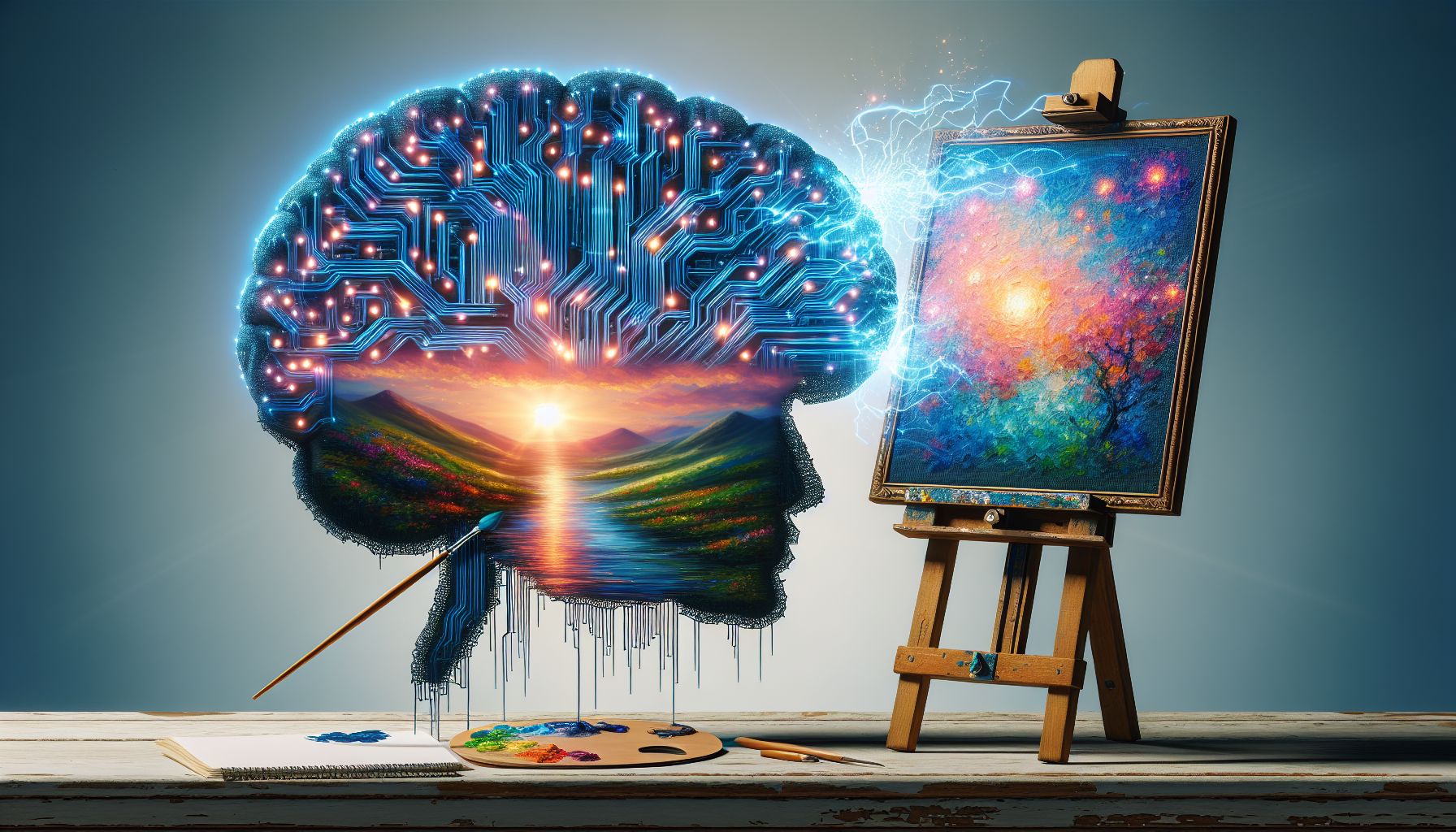
Exploring AI-Generated Art: The Future of Creativity
Hey, fellow tech enthusiasts! Today, we’re diving into one of my favorite emerging topics: Artificial Intelligence in the world of creative arts. If you’ve ever marveled at paintings, music, or even poetry and wondered, “How could a machine possibly create that?” well, you’re in for a treat. AI-generated art isn’t just a cool tech trick. It’s completely changing how we think about what art even is.
The Rise of AI Artists
Gone are the days when AI was just about playing chess or organizing your email. Today, it’s creating artworks that’ll knock your socks off. OpenAI’s DALL-E and DeepArt have shown us that machines can replicate human creativity, and sometimes do things we never would have thought of. When I first saw an AI-generated painting, it felt like stepping into a sci-fi movie where robots painted like Van Gogh. I mean, who knew that lines of code could be this creative?
Art for Everyone
What I love about this tech revolution is how it opens doors for everyone. You don’t need years of art school or natural talent anymore. AI gives anyone the tools to mess around and create something interesting. I spent a weekend playing with DeepArt and came away with a piece that looked like Picasso had somehow collaborated with my terrible sketches. If I can create something halfway decent, trust me, anybody can!
AI’s Influence on Music
Let’s talk about music for a minute. Remember when Taryn Southern released that AI-composed album ‘I AM AI’? That was a real turning point. AI-assisted music creation means we can all become composers without spending years learning music theory. For someone like me who can barely play three chords on a guitar, this is amazing.
Listening Beyond the Human Experience
AI doesn’t just help with composition. It creates musical combinations that human brains might never come up with. Picture this: music that blends genres you never thought would work together. It’s like creating a playlist in some alternate universe where classical meets techno meets folk. I once fed an AI my favorite songs, and it created something that sounded like Beethoven decided to go clubbing with Daft Punk. Seriously mind-blowing stuff.
The New Age of Storytelling
But wait, there’s more! AI isn’t just painting and composing anymore. It’s writing entire novels. Projects like AI Dungeon and Sudowrite are creating stories with plot twists that feel genuinely surprising. I tried AI Dungeon when I was completely stuck on a writing project, and it suggested story directions I never would have considered. It’s like having a writing partner available 24/7 who you don’t need to bribe with coffee.
Evolution of Characters
AI’s ability to develop characters is pretty impressive. These tools are helping writers create complex, believable people on the page. Recently, I was working on a dystopian story and let the AI suggest some backstory for my main character. The motivations and personality quirks it came up with gave my character a depth I hadn’t imagined. For a hot minute, I felt like George R.R. Martin (minus the beard and the ability to actually finish a series).
Challenges & Ethical Quandaries
Of course, this isn’t all sunshine and rainbows. AI-generated art raises some seriously tricky questions about ownership and originality. Who actually owns a piece of art created by AI? The algorithm? The company that made it? The person who typed in the prompt? It’s a legal mess that nobody’s figured out yet.
Then there’s the whole originality debate. Can a machine that learns from existing artwork actually create something “new”? I used to be pretty skeptical about this. But after seeing AI blend art styles in ways I’d never seen before, or create musical combinations that sound fresh, I’m starting to think “new” might just mean “different from what we expect.”
Looking Ahead: What’s Next?
So where is all this heading? Predicting the future is always risky, but I’ll take a shot. Imagine walking through VR art galleries filled with AI masterpieces that change based on your mood. Or listening to AI symphonies performed by robots with holographic instruments. It sounds like something Isaac Asimov and Mozart dreamed up together.
There’s also the possibility of hyper-personalized art. AI could create films, music, or stories tailored specifically to your preferences. Every piece of art could become a personal experience, made just for you. My inner tech geek gets excited just thinking about the possibilities.
Conclusion: A Colorful Frontier
AI isn’t just dabbling in the arts anymore. It’s rewriting the rules entirely. This blend of technology and creativity might be one of the coolest things happening right now. It’s exciting, a little unsettling, and absolutely fascinating to watch unfold. As we keep pushing into this weird new world, I can’t help feeling optimistic about what we’ll see next.
Whether you’re an art lover, a musician, a writer, or just someone who gets excited about new tech, AI in creative arts is worth paying attention to. As these tools keep getting better, who knows what incredible stuff people will create with them?
Here’s to a future where creativity has no limits! Can’t wait to see what comes next.
Updated on March 9, 2026
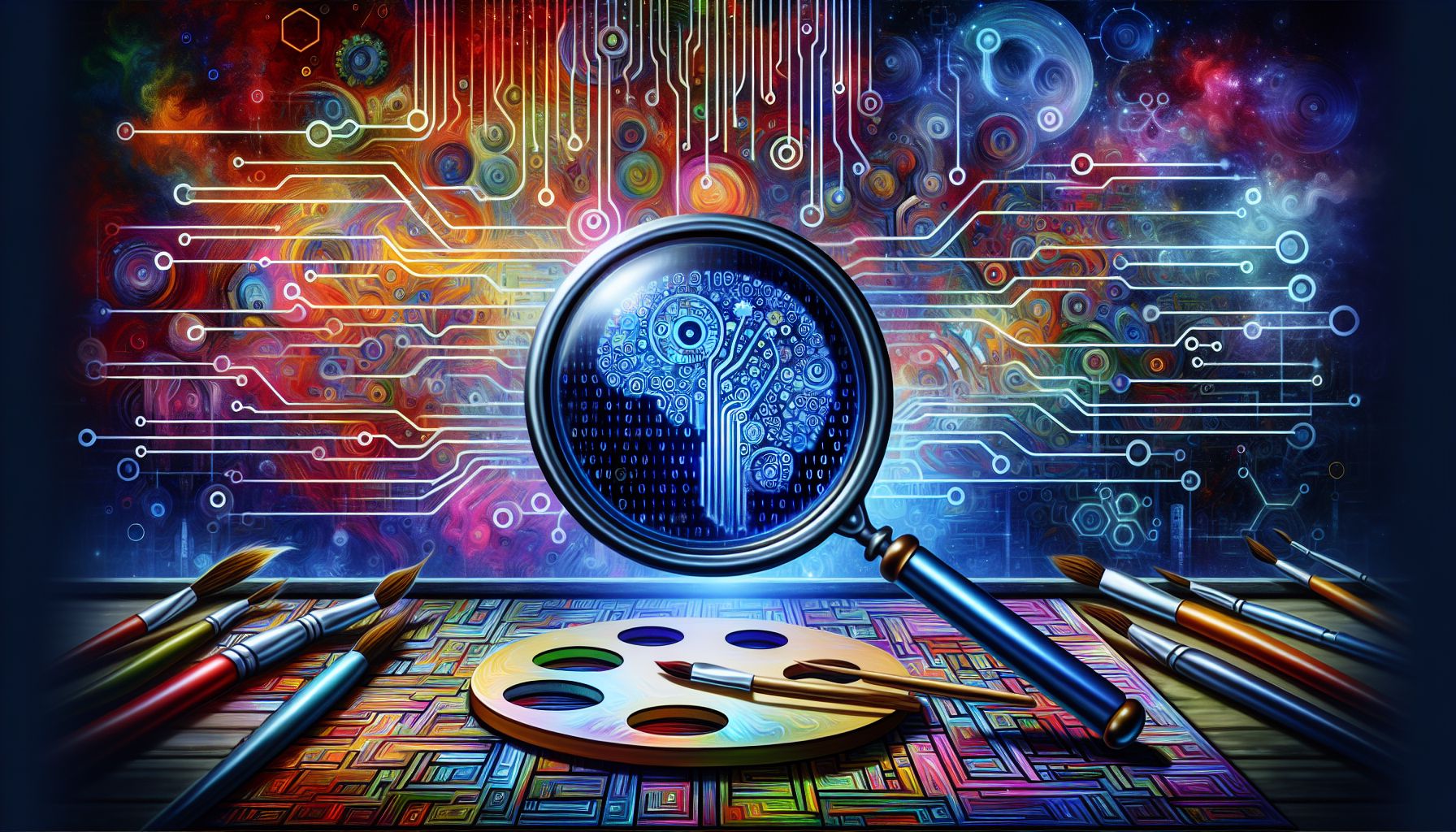
Exploring the Mind-Blowing World of AI in Creative Arts
Hello, tech enthusiasts and art lovers alike! Today, I’m diving into a topic that’s got me buzzing with excitement and maybe just a bit of trepidation: the role of Artificial Intelligence in the creative arts. I’ve always been fascinated by the intersection of technology and creativity, and AI is currently sitting smack dab at the crossroads of this thrilling convergence. So grab a seat, maybe some popcorn, and let’s unpack this techno-utopian marvel, one bit at a time.
AI Meets Creativity: An Unlikely Pairing?
For the longest time, we thought of creativity as the quintessential human domain. I mean, can you imagine Michelangelo chiseling out a bot-assisted David? Unlikely! But times are changing, and AI is now dabbling in areas we once thought belonged solely to us carbon-based lifeforms. From composing symphonies to painting masterpieces and even writing stories that would make Shakespeare quiver in his pantaloons, AI has swooped into the creative arts like a digital da Vinci.
Take OpenAI’s GPT series, for example. These language models are producing stories, poems, and even code! They’ve practically moved into the creative neighborhood and we gave ’em the welcome basket.
Some Amazing Artistic Feats AI Has Pulled Off
-
Music Composition: You might’ve heard about AIVA (Artificial Intelligence Virtual Artist), the AI that composes classical music. When I first heard about it, I was skeptical. But play some of its compositions, and you might just want to pour yourself a glass of wine, sit by the fireplace, and contemplate the depths of your soul.
-
Visual Arts: Then there’s DeepArt, the neural network that can transform ordinary photos into images that mimic the styles of famous artists like van Gogh or Picasso. I once uploaded a selfie, and let’s just say the result made me look like a fiery collaboration between Salvador Dalí and a kaleidoscope.
-
Writing and Storytelling: On the writing front, AI-based tools like Sudowrite are helping authors overcome writer’s block by suggesting plot twists or crafting entire paragraphs. I tried it once and promptly spent the next fifteen minutes trying to decide if I should give my co-author credit.
The Upside of AI in Creative Arts
So, why are we letting AI tiptoe into the artists’ domain? For one, AI can act as a powerful co-creator. Imagine being a painter and having an AI assistant who knows more about color theory than a peacock on acid. Whether it’s providing new insights, erasing creative constraints, or simply being a springboard for brainstorming, AI can elevate human artistry to new heights.
Moreover, AI democratizes creativity. It provides tools to those who might not have the technical skills or artistic background to create. Picture a future where anyone can compose a symphony or paint a masterpiece with just a few clicks. Remaining awake through some of those lengthy symphonies? Well, that’s still entirely on you.
Challenges and Ethical Dilemmas
Now, before we go all-in singing AI’s praises, there are some cloudy skies on this otherwise sunny panorama. One concern is originality. Is AI-created art genuinely “creative,” or is it merely clever mimicry? Even Frankenstein’s monster was puzzled by questions of identity, and so are many of AI’s neural creations.
Then there’s the ethical question of authorship and ownership. If an AI-assisted machine paints the next “Starry Night,” who owns it? The owner of the machine? The programmer who wrote the algorithm? Or, in a very Blade Runner-esque twist, the AI itself? These are chest-thumpingly big questions fueling debates across the tech-art spectrum.
The Road Ahead: Visions for the Future
Looking forward, the future of AI in creative arts is both exciting and a tad intimidating. With advances in machine learning and neural networks, the next decade could see AI assisting in ways we can scarcely imagine. Imagine collaborations between AI and artists creating fully immersive art installations, or AI-driven orchestras playing in your living room. Good luck getting the cats to behave during those living room concerts, though.
As we build a partnership between AI and human creativity, the line between machine and human art will blur. But maybe that’s a good thing. After all, art is about evoking emotion, and if an AI can pull your heartstrings just as deftly as Bach or Monet, isn’t that a win for our ever-growing human-tech community?
Closing Thoughts
So, there you have it. A glimpse into the marvelous, slightly bewildering, world of AI in creative arts. As we stand on the edge of this new artistic revolution, it’s up to us, the tech-thinkers and art-makers, to guide this new relationship with the finesse of a maestro conducting a symphony.
I, for one, am entirely onboard this AI art rollercoaster, and eager to see where the ride takes us. Until next time, stay curious, keep doodling, and if an AI writes the Great American Novel, remember, you saw it coming here first!
Updated on March 9, 2026
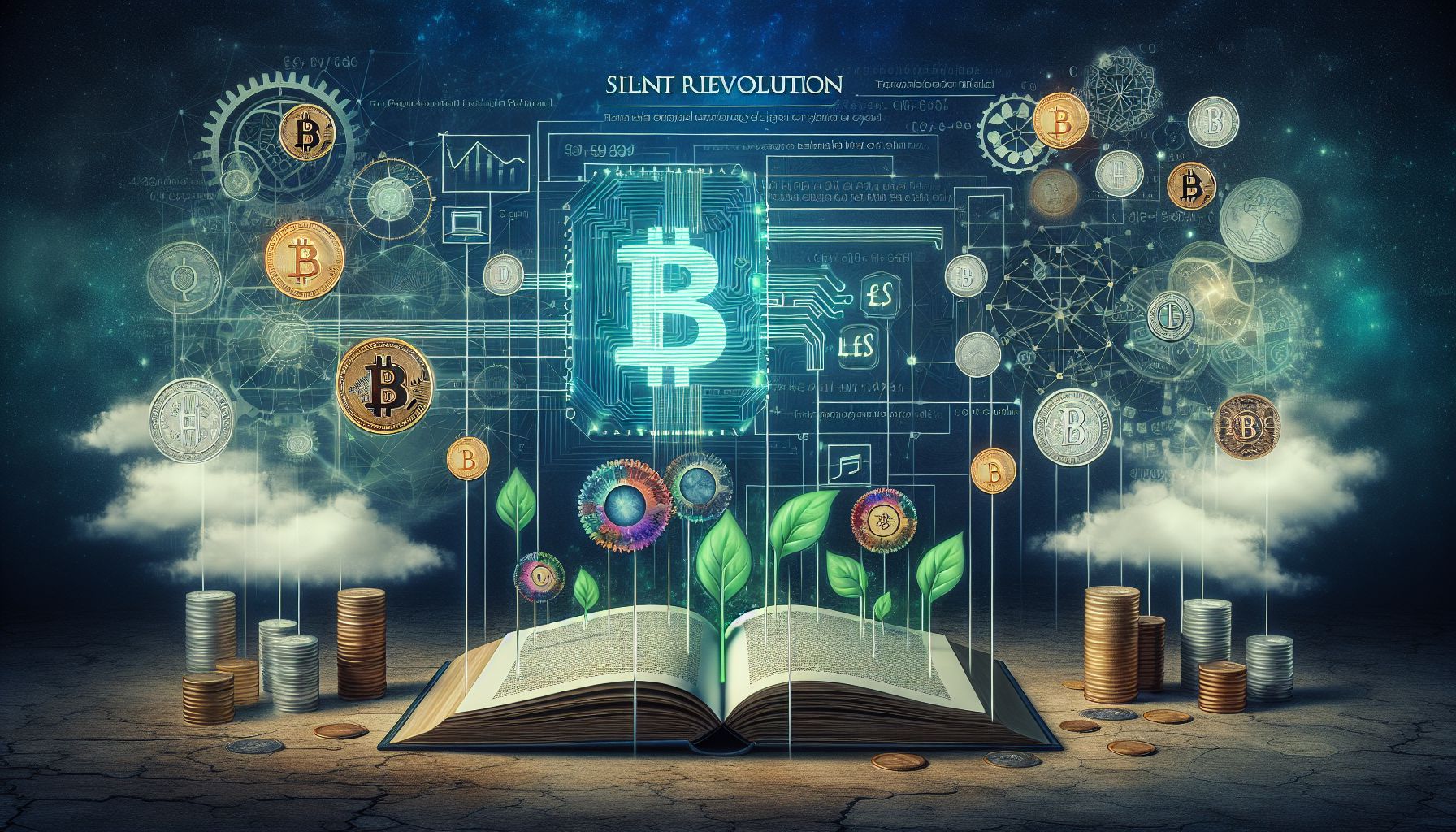
The Silent Revolution: Exploring Blockchain’s Impact on Decentralized Finance
Hello, blockchain enthusiasts and fellow techno-utopians! Today, I’ve got a heaping spoonful of blockchain news to serve. Grab your virtual forks and let’s dig in. Our focus is on the big changes decentralized finance (DeFi) is making and how it might just be the quiet revolution that’s ready to storm the financial bastions. Brace yourselves for this dive into the world where decentralization could empower the masses and make traditional financial institutions shiver.
Introduction: The Blockchain Buzz – More Than Just Bitcoin
When we first heard about blockchain, it was all about Bitcoin. The mysterious Satoshi Nakamoto sent shock waves across the world of finance, promising a digital alternative to currency that was outside the control of governments and traditional banks. Fast forward a decade, and Bitcoin is just the beginning. Blockchain technology itself has expanded far beyond its maiden voyage. Enter DeFi, where the principles of blockchain are set to reshape the way we handle our finances.
The Essence of DeFi
Imagine a world where your financial transactions aren’t confined by borders or regulatory bodies. That’s the premise behind DeFi, which uses the power of blockchain to cut out the middleman. Forget banks. DeFi platforms offer decentralized lending, borrowing, and trading in a trustless environment. It’s finance for the digital age, by the people, for the people.
The Core Components of DeFi: Beyond the Buzzwords
Smart Contracts – The Heartbeat of DeFi
At the center of DeFi is the idea of smart contracts. Developed on blockchain platforms like Ethereum, these self-executing contracts have the terms of agreement directly written into the code. When certain conditions are met, snap! The contract automatically executes. This eliminates the need for brokers or other middlemen, potentially reducing costs and increasing transparency.
These smart contracts are paving the way for new applications, like creating automated market makers (AMMs), which have become fundamental to DeFi. You might have heard of Uniswap or PancakeSwap, which use AMMs to provide liquidity and exchange tokens without the need for a traditional order book.
Stablecoins: Bringing Stability to the Volatile World
Cryptocurrency markets are notorious for their volatility. Imagine your heart sinking because your $20 equivalent of tokens is now worth a measly $5. Stablecoins are here to cushion that volatile rollercoaster. Pegged to traditional financial assets like the US dollar, stablecoins like DAI or USDT help ensure you’re not breaking into hives while using DeFi platforms.
These stablecoins provide the foundation for many DeFi applications, enabling users to engage in lending, borrowing, or earning interest without the insane risk that comes with crypto market swings.
Yield Farming: Where the Green Pastures Are
Heard the latest about earning double-digit returns on your investment? Welcome to yield farming, the buzzword of the year in DeFi. The idea is straightforward: lock up your crypto tokens into specific DeFi projects, and in return, earn interest. This is possible through various mechanisms, typically involving liquidity pools where your assets help facilitate transactions, generating returns through fees or token rewards.
Yield farming isn’t just about reaping returns. For many, it’s a game of speculation on steroids, constantly motivated by a deep desire to maximize yield by hopping between projects. High-risk, high-reward gameplay for the adventurous at heart.
DeFi Disrupting Traditional Finance: The Case Studies
MakerDAO: Redefining Lending and Borrowing
MakerDAO is one of the pioneering projects defining DeFi. Imagine being able to leverage your crypto without selling it through a traditional loan. Using the DAI stablecoin, MakerDAO allows users to deposit Ethereum as collateral and mint DAI. You can then use these minted DAI for further investments or to fulfill your purchasing needs, all while still retaining ownership of your Ether.
This collateral-backed loan system challenges existing banks, which traditionally require time-consuming approvals and meet specific requirements. All now replaced by an algorithmic protocol.
Aave: Adapting with the Market
Another hallmark of DeFi success is Aave, a decentralized lending platform that offers flash loans. These loans, executed in mere seconds, provide instant liquidity without traditional collateral, unless specified. A flare gun in times of financial emergency, for sure!
Aave’s design offers more flexible terms compared to banks. The project’s success highlights growing confidence in code-based algorithm-driven finance, one that maintains transparency and is accessible round the clock.
Compound: Lending Meets Earning
Compound is another name you might stumble upon when diving into DeFi. This platform allows users to quickly lend or borrow cryptocurrency assets, and yes, you guessed it, without the red tape. By providing your tokens for lending, you earn interest while retaining the flexibility to withdraw or switch applications anytime you please.
This age of open finance encourages experimentation in yielding returns, without suffering the traditional banking hours or bureaucratic stagnation.
Roadblocks and Hurdles: Winds to Overcome
Let’s not get too carried away, though. Even with its explosion in popularity, DeFi comes with its own set of challenges.
Security – The Double-Edged Sword
In a decentralized world, security rests on the robustness of code. Several major DeFi projects have experienced hacks and security breaches, resulting in millions of lost funds. As thrilling as the new frontier of DeFi is, building trust through robust security frameworks is critical for mass adoption.
Regulation – Stepping into the Ring
As DeFi gains attention, so does the scrutiny from regulatory bodies. The semi-shady realm of financial innovation means governments are increasingly focused on the potential risks tied to anonymity and money laundering. It’s a tightrope walk between sustaining innovation and enabling regulation that doesn’t strangle the nascent space.
Conclusion: A Future Shaped by DeFi and Beyond
So, where do we stand in this refreshing land of decentralized finance? DeFi is making waves and isn’t just a passing fad. It’s a developing mission to empower individuals with financial literacy and autonomy in a digitized economy. As the technology matures, it has the potential to address many issues plaguing traditional financial systems, offering unprecedented opportunities for financial inclusion worldwide.
Still, it remains an emerging space where traditional finance meets bleeding-edge technology. If the community can navigate the security challenges and proactive regulation, DeFi could very well be the key for a fair, transparent, and accessible financial system for everyone.
There’s much more bubbling away beneath the surface, and I for one can’t wait to see how it shakes out. Stay tuned for more blockchain breakthroughs and techno-utopian musings. Until next time, hodl your dreams tight!
Updated on March 9, 2026
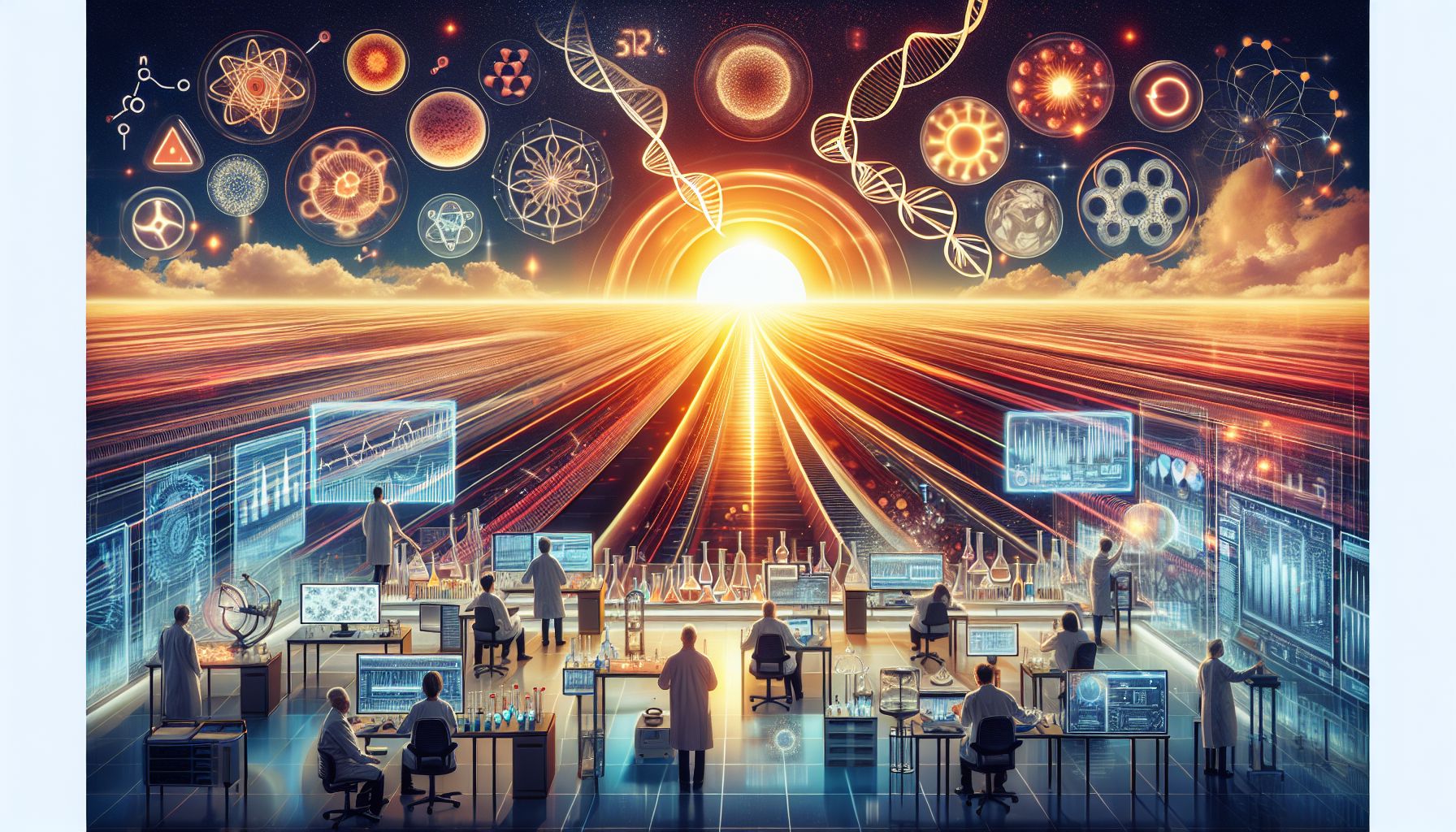
The Promising Horizon of Longevity Tech: Extending Human Lifespan
Imagine living a life where a century spent on this earth is considered just halfway through your journey. As you sip that centenarian-aged cocktail, you might ponder how we’ve morphed into near-immortals through the alchemy of emerging longevity technologies. Right now, the intersection between biotechnology, artificial intelligence, and modern medicine is creating an era where extending human lifespan isn’t just a dream anymore—it’s becoming real.
In this post, I want to explore the exciting breakthroughs in longevity tech and how advancements in bioengineering, AI, and therapeutic research are working to prolong human longevity while maintaining quality of life. Whether you’re the type to think deeply about the implications or you’re just excited about living in the future, this is your front-row guide to the most innovative realm of what some call technoutopia.
Embracing Longevity in Modern Tech
The idea of living longer and healthier isn’t new. From ancient alchemy potions to today’s supplements, humanity has always yearned for the elixir of life. But what was once mysterious is now a billion-dollar industry packed with scientific rigor and serious investment money. Biotechnology firms, research institutions, and startups are all working toward the same goal: to decode the human biological clock.
Unlocking the Secrets of Aging
At the heart of longevity research is the quest to understand and manipulate the aging process. Aging, biologically speaking, comes with its own set of hallmarks—cellular senescence, mitochondrial dysfunction, genomic instability, and telomere attrition. Addressing these components is like having a series of encryption keys that, when cracked, might unlock prolonged vitality.
Senolytics: Clearing Out Old Cells
Senolytics are a class of drugs aimed at selectively removing senescent cells, and they’re one of the most hopeful avenues in longevity tech. Senescent cells make up only a small fraction of our total cellular makeup, but they play an outsized role in degenerative processes. Treatments focusing on senolytics are showing real promise in rejuvenating tissue function and reducing age-related diseases. UNITY Biotechnology is already paving the way with early human trials addressing arthritis and eye diseases.
Telomere Therapy: The Chromosome Guards
Every time a cell divides, its telomeres—the protective caps on chromosome ends—get shorter, eventually leading to cell death. Telomerase activation and telomere extension therapies offer another hot area of research. Companies like Turn Biotechnologies are exploring how manipulating these structures can extend cellular health and longevity. Trials are underway, and the potential to use telomeres as a fountain of youth is rapidly moving from speculative theory to real science.
Artificial Intelligence Meets Aging
As we unravel the mysteries of longevity, artificial intelligence has become a powerful ally, speeding up what was once a painstakingly slow process of research and development.
AI in Drug Discovery and Development
One of AI’s biggest strengths in the longevity space is drug discovery. AI algorithms can sift through massive datasets, identify potential drug candidates, and predict their effectiveness in aging-related pathways at a fraction of the traditional time and cost. Companies like Insilico Medicine use AI to accelerate the discovery of geroprotectors—compounds that target aging mechanisms. This data-driven approach doesn’t just improve our understanding of aging, it’s creating a new era of precision medicine tailored to your changing age profile.
Biomarker Identification and Predictive Modeling
Another exciting application of AI is identifying biomarkers associated with aging. By analyzing genomic, proteomic, and metabolomic data, AI can pinpoint the subtle biological changes that signal the onset of aging. These biomarkers have huge potential, not just for early diagnosis but for crafting personalized interventions to slow down the aging process. AI’s role in predictive modeling extends to simulating how lifestyle changes or therapies might impact your healthspan, offering a proactive approach to longevity.
The Tech Startup Ecosystem: A Lot to Look Forward To
Longevity tech, with its promise of transformative healthcare, has naturally stirred up global interest. From Silicon Valley to biotech hubs in Basel, the startup ecosystem is buzzing with ventures aiming to redefine human destiny.
Big Bets and Bigger Promises
Investment in longevity startups has soared, with tech heavyweights like Jeff Bezos and Peter Thiel backing ventures that promise breakthroughs. Altos Labs, a frontrunner backed by Bezos, focuses on cellular reprogramming—a technique that aims to revert cells to a younger state. The competitive spirit in the startup ecosystem ensures innovation keeps flowing, with each company bringing distinct approaches to the table.
Therapeutics and Diagnostics: Beyond the Pill
While drugs form the cornerstone of anti-aging strategies, diagnostics are equally important. The development of non-invasive diagnostic tools capable of evaluating biological age and detecting age-related diseases is critical for effective longevity strategies. Companies like Elysium Health and TruDiagnostic are creating diagnostic kits and supplements based on extensive genomic research, potentially allowing individuals to ‘hack’ aging in a user-friendly and effective way.
The Unfolding Utopia
The promise of longevity tech is nothing short of a radical reshaping of the human story. We’re walking the path of science fiction—where age no longer dictates potential, and cures may lie beyond the confines of traditional medicine. Yet, even as this technology unfolds, it brings serious ethical considerations. Uneven access, moral shifts in lifespan expectations, and global population dynamics challenge our society to think about not just how we can live longer, but how we should live those additional years.
Ethical Considerations and Future Discourse
With great power to extend life comes the responsibility to carefully navigate ethical and societal implications. How will extended lifespans affect global population growth? Will inequality in access make socio-economic divides worse? While these questions don’t have immediate answers, they invite policymakers, scientists, and ethicists into a collaborative conversation about our future.
Conclusion
Longevity tech sits at the intersection of possibility and reality, using cutting-edge technology and pioneering research to redefine life as we know it. As we continue exploring what it means to live longer and better, the road may be long, but the journey promises to be exciting. This breakthrough, amid all its complexities, offers a glimpse into a horizon rich with potential. Imagine a future where self-fulfillment, boundless life, and adventure await—with age just a number, not a barrier.